
When I first started learning about diamonds, cut was the part I understood the least. Color made sense to me. Clarity sounded logical. Carat weight was easy. Cut felt abstract and technical, something I assumed jewelers exaggerated to justify higher prices. Looking back now, that assumption led me to some disappointing experiences that taught me why diamond cut matters more than anything else.
My first real encounter with a poorly cut diamond happened years ago when Matthew and I were helping a close friend shop for an engagement ring. The diamond looked fine on paper. It had a respectable color grade and clarity that sounded impressive. The price seemed reasonable. But when we saw it in person, something felt off. The stone looked dull even under bright lights. It lacked life. That was the moment I realized that cut is not just a number or a label. It is the soul of the diamond. GIA’s description of the Diamond Cut talks a lot about quality and craftmanship.
Why Cut Is the Most Important of the 4Cs
Cut determines how a diamond handles light. A well cut diamond reflects light back to your eyes, creating brightness, fire, and sparkle. A poorly cut diamond leaks light through the sides or bottom, making it appear dark or flat. This difference is visible even to people who have never studied diamonds.
I have seen diamonds with lower color grades outperform higher color stones simply because the cut was better. I have also seen larger diamonds look smaller than they should because their proportions were wrong. These experiences taught me that cut has the strongest influence on how beautiful a diamond looks in real life.
My First Mistake with a Badly Cut Diamond
Before we started this website, I once purchased a diamond online that looked like a great deal. The specifications looked solid and the photos were flattering. When it arrived, I was excited at first. But once I examined it under different lighting, the excitement faded. The diamond looked sleepy. It did not react to light the way I expected. I remember turning it slowly near a window and feeling confused because nothing happened.
That experience was frustrating, but it was also educational. I returned the diamond and spent days researching cut proportions, angles, and symmetry. That deep dive changed how I evaluate diamonds forever.
Understanding What Makes a Good Cut
A good diamond cut is about balance. The angles must work together. The table size, crown height, and pavilion depth must align so that light enters and exits the diamond efficiently. When one element is off, the entire performance suffers.
What surprised me most was how small differences can have a large impact. A pavilion angle that is slightly too steep or too shallow can dramatically reduce sparkle. These are not things most buyers notice at first glance, but once you see the difference, you cannot unsee it.
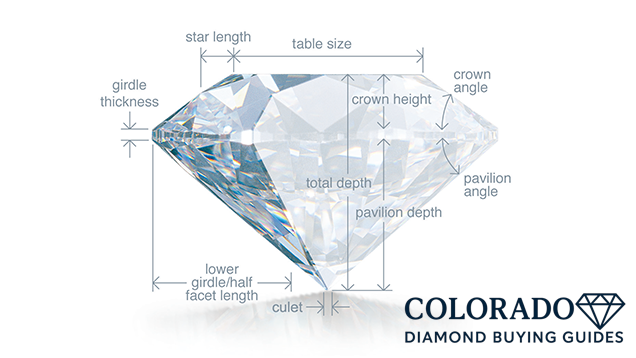
Most grading labs use terms like Excellent, Very Good, Good, Fair, and Poor. While these grades are helpful, they are broad. Two diamonds with the same Excellent cut grade can still perform differently. This is where proportions and visual inspection matter.
I learned not to rely solely on the label. I always look at the actual measurements and images. Videos are especially helpful because they show how the diamond reacts to movement and light. A well cut diamond will appear lively even when the camera moves slowly.
How Bad Cuts Hide in Plain Sight
One of the reasons poorly cut diamonds sell is because they can look acceptable in certain lighting. Jewelry store lights are designed to enhance sparkle. Under those lights, even a mediocre cut can appear attractive. The problem shows up in normal environments like daylight or indoor lighting at home.
I remember one diamond that looked great in the store but lost all personality once we stepped outside. That experience reinforced the importance of viewing diamonds under multiple lighting conditions or relying on detailed videos when shopping online.
Round diamonds are the most forgiving shape when it comes to cut, but they also have the strictest standards. The classic round brilliant cut is engineered for light performance. Small deviations can affect brilliance noticeably.
Through our research, I learned that round diamonds benefit most from precise angles and symmetry. This is why cut quality often commands a premium. The extra cost reflects the skill required to cut the stone correctly and the material lost during the process.
Fancy shapes like oval, pear, cushion, and emerald cuts present different challenges. Each shape handles light differently. Some shapes show bow tie effects. Others emphasize clarity more strongly. Cut quality in fancy shapes is harder to evaluate because there is no single ideal proportion.
I have seen beautiful fancy shape diamonds ruined by poor cutting choices. Elongated shapes can look uneven. Step cuts can appear glassy if not executed well. Learning the specific cut considerations for each shape is essential when buying anything other than a round diamond.
Why Cut Affects Perceived Size
One surprising lesson was how much cut affects perceived size. A shallow diamond may appear wider but lack depth and sparkle. A deep diamond may hide weight in the bottom, making it look smaller than its carat weight suggests.
A well cut diamond strikes a balance. It looks appropriately sized for its weight and performs well visually. This balance is what most people subconsciously notice when they say a diamond looks just right.
My Advice After Years of Experience
If I could give one piece of advice to anyone buying a diamond, it would be to prioritize cut over everything else. A slightly lower color or clarity is often invisible to the naked eye. A poor cut is always visible.
I encourage buyers to slow down and study cut. Watch videos. Compare stones side by side. Ask questions. A good retailer will be happy to explain why one diamond performs better than another.
Returning that first poorly cut diamond was a turning point for me. It taught me that buying diamonds is a learning process. Each comparison builds understanding. Each mistake sharpens judgment.
Matthew and I often review diamonds together now. We discuss what we see and why a stone works or does not. These conversations are the foundation of the guides we share on this site.
A perfect cut on paper does not guarantee beauty. What matters is balance and how the diamond behaves in real conditions. Some diamonds with slight deviations still look wonderful. Others that meet technical criteria fall flat.
This is why real world observation matters. Diamonds are meant to be seen, not just measured.
Why I Care About Sharing This Knowledge
I write about diamond cut because I wish someone had explained it to me earlier. Understanding cut changed how I shop and how confident I feel making recommendations. It removed confusion and replaced it with clarity.
Diamonds are emotional purchases. People associate them with milestones and memories. Helping someone avoid disappointment feels meaningful to me.
Bottomline
Cut is the most powerful of the 4Cs because it determines how a diamond comes alive. Without proper cut, even the best materials fall short. With good cut, even modest stones shine.
From my own experiences with poorly cut diamonds, I learned to look deeper, ask better questions, and trust what my eyes see. That is the lesson I hope every reader takes away.
When you choose a diamond, choose one that responds to light, movement, and everyday life. That is what makes a diamond truly beautiful.
